
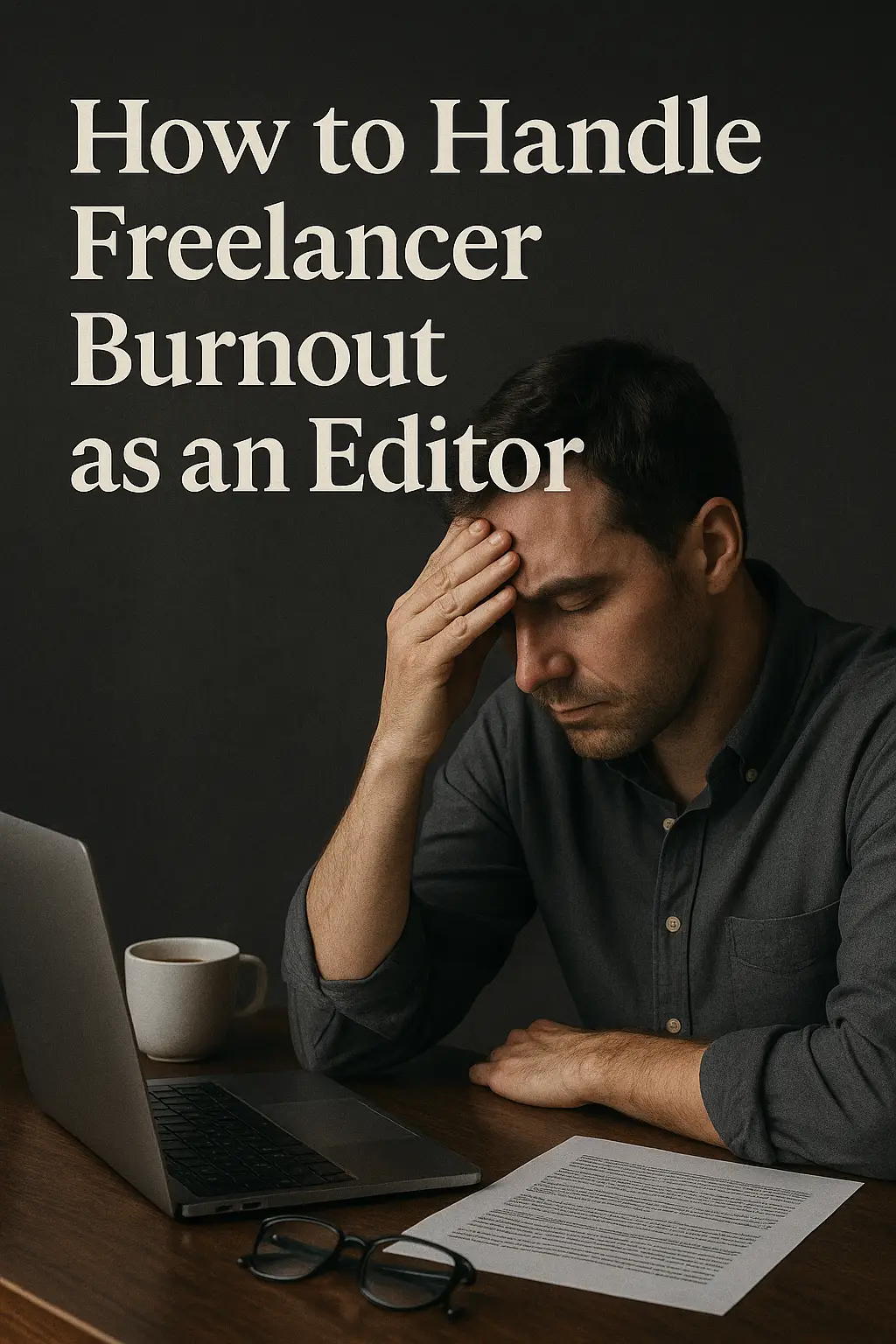
Starting a freelance editing career can be both exciting and overwhelming. With the rise of content creation in various industries, skilled editors are in high demand. If you’re passionate about grammar, structure, and storytelling, freelance editing may be your ideal path. This guide will walk you through the steps to launch a successful editing career from scratch.
Understand the Role of a Freelance Editor
A freelance editor works independently, offering editing services to clients across various fields—academic, publishing, marketing, blogging, and more. The main types of editing include:
- Proofreading: Correcting grammar, punctuation, and spelling errors.
- Copyediting: Improving sentence structure, clarity, and consistency.
- Line editing: Enhancing flow and language usage.
- Developmental editing: Working on content structure, ideas, and narrative.
Understanding these categories helps define your niche and build a focused skillset.
Evaluate and Develop Your Editing Skills
You don’t need a formal degree to start, but you do need strong language skills. Assess your current abilities:
- Are you good with grammar and syntax?
- Can you identify inconsistencies in tone or structure?
- Do you have a keen eye for detail?
Then, work on developing these skills:
- Take online courses (e.g., Coursera, LinkedIn Learning).
- Read books on grammar and editing.
- Practice editing blogs or student essays.
Choose Your Niche
Specializing makes it easier to market yourself and become an expert in a specific field. Popular niches include:
- Academic papers
- Business reports
- Blogs and web content
- Novels and short stories
- Technical documents
Your niche should align with your interests and strengths.
Create a Portfolio
A portfolio showcases your abilities to potential clients. You can:
- Edit sample texts and post them on your website.
- Volunteer to edit content for non-profits.
- Offer free edits to friends in exchange for testimonials.
Make sure to highlight different types of editing you can do.
Set Up a Professional Presence
Credibility matters. Build your online presence with:
- A professional website with your services, pricing, and portfolio.
- LinkedIn profile optimized for “Freelance Editor.”
- Profiles on freelancing platforms like Upwork or Fiverr.
Determine Your Rates
Start by researching average rates in your niche. Consider:
- Per word (e.g., $0.02 – $0.10)
- Per hour (e.g., $20 – $60)
- Per project (flat fee for a manuscript, thesis, etc.)
Offer clear pricing on your site and be transparent with clients.
Find Clients
Clients won’t come overnight, but consistency pays off. Try:
- Joining freelance job boards (e.g., ProBlogger, Reedsy, Freelancer).
- Networking in writing/editing groups on Facebook or LinkedIn.
- Cold-emailing small businesses or bloggers.
Always personalize your pitch to show you’ve researched the potential client.
Use the Right Tools
Editing is more efficient with tools that improve accuracy and save time. Essential tools include:
- Grammarly or ProWritingAid for grammar checks
- Google Docs for easy collaboration
- Track Changes in MS Word for client revisions
- Trello or Notion for task organization
Build Relationships and Get Testimonials
Happy clients lead to more work. Always:
- Deliver edits on time
- Communicate clearly and promptly
- Ask for feedback and permission to share testimonials
Good relationships can turn one-off projects into recurring income.
Keep Learning and Growing
The editing industry evolves, so stay updated:
- Follow editing blogs and podcasts
- Join professional associations (e.g., ACES, EFA)
- Keep improving your grammar and writing skills
Final Thoughts
Becoming a freelance editor doesn’t happen overnight, but with dedication, learning, and persistence, you can build a rewarding and flexible career. Whether you aim to edit novels, articles, or academic papers, your skills can make a real impact—and earn a sustainable income. Keep showing up, stay consistent, and your editing business will grow one word at a time.